Wearable OEM InsightsIn-DepthPractical
2026年7月24日
Screenless Smart Bands: A New Opportunity for Health, Fitness and Corporate Wellness Projects
A B2B guide to screenless smart bands, wellness functions, BLE, offline data, SDK integration, and OEM/ODM project evaluation.
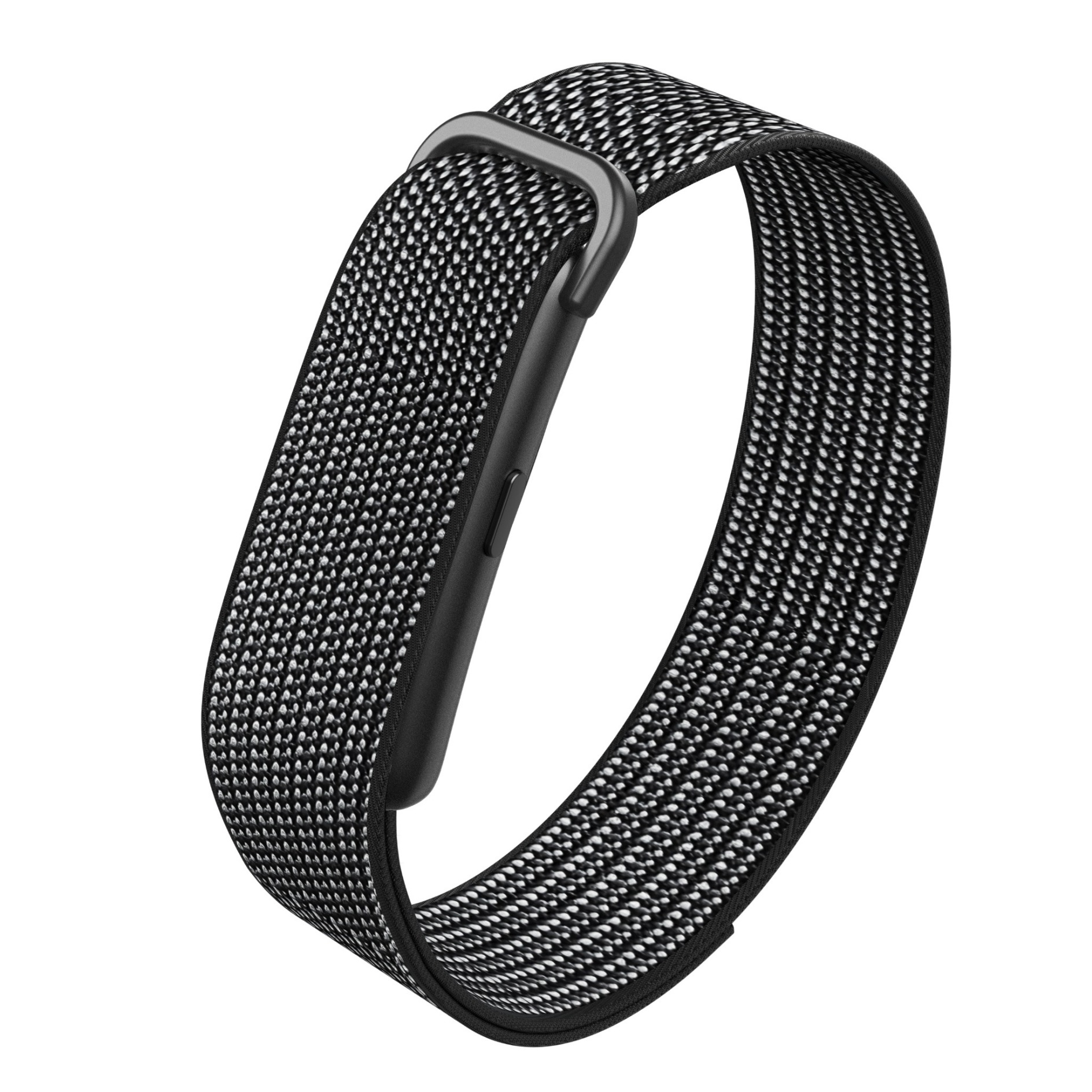
A screenless smart band collects and synchronizes activity or wellness data without a traditional display. It sends information to a mobile app, management platform, or project system.
Removing the display can reduce distraction, simplify interaction, lower power consumption, and support a lighter design. It also suits projects where the app or platform—not the device screen—is the main service.
For B2B buyers, a screenless smart band should be evaluated as part of a complete data solution. Sensors, algorithms, Bluetooth communication, offline storage, app behavior, SDK access, user management, and server integration can be more important than the exterior specification alone.
What Makes a Screenless Band Different?
Traditional smartwatches are designed for notifications, touch interaction, watch faces, and on-wrist information. A screenless band takes a more focused approach. It can collect selected data in the background and leave visualization, reports, coaching, or management functions to the app.
Potential advantages include:
• A lighter and slimmer product suitable for long-term wear
• Lower distraction for sleep, workplace, training, or wellness programs
• Potentially lower power consumption because there is no display to illuminate
• A simpler user interface with fewer accidental operations
• More design freedom for minimalist or brand-specific appearance
• Better alignment with subscription platforms and data-led services
Actual battery life still depends on sensor frequency, Bluetooth behavior, storage, algorithms, vibration, LEDs, temperature measurement, ECG usage, and firmware. A screenless design helps, but it does not guarantee a specific operating time.
Common Wellness and Activity Functions
Depending on the selected model and configuration, screenless smart bands may support functions such as heart rate, blood oxygen trend, HRV, sleep, stress, skin temperature trend, steps, calories, activity, exercise records, and ECG.
These functions must be described carefully. Consumer wearable data is generally intended for daily wellness, fitness, and trend reference. It should not be presented as a medical diagnosis, treatment recommendation, or replacement for professional medical equipment. Accuracy targets, sensor brands, sampling intervals, algorithms, user conditions, and validation requirements should be confirmed for each project.
Heart rate, SpO2, HRV, and stress
Optical sensors can support heart-rate and blood-oxygen-related measurements, while HRV may be calculated from suitable signal data and measurement conditions. Stress scores are normally algorithmic estimates based on available physiological and activity data. Buyers should confirm whether values are continuous, scheduled, manually triggered, or calculated in the app.
Sleep and recovery
Because a screenless band can be light and unobtrusive, it is well suited to overnight wear. Sleep functions may include sleep duration, sleep stages, wake events, and trend reports, depending on the algorithm and model. Buyers should test comfort, overnight battery performance, data completeness, and synchronization after the user reconnects the band.
Temperature and ECG
Skin temperature trends and single-lead ECG may be available on selected platforms. These features require clear measurement instructions and appropriate user contact with the sensors. ECG availability, electrodes, measurement workflow, report format, and regulatory positioning must be evaluated separately.
Suitable B2B Customers and Projects
Screenless smart bands can support several project types:
• Health and lifestyle management platforms
• Corporate wellness and employee activity programs
• Mining, industrial, and remote-workforce projects
• Senior wellness and assisted-living programs
• Sports training and movement-monitoring applications
• Insurance engagement and reward programs
• Sleep, recovery, and stress-management services
• Research, pilot, and algorithm-development projects
• Mobile APP companies that need branded wearable hardware
Each use case creates different requirements. A corporate wellness program may need simple onboarding and stable daily synchronization. A mining project may need offline storage and reconnection after the user returns to a network area. A sports algorithm project may need higher-frequency motion data. An elderly-care project may prioritize comfort, battery status, automatic reconnection, and clear exception handling.
Why SDK and Data Architecture Matter
For many projects, the real product is the combination of the wristband, app, SDK, cloud, and dashboard. A model with suitable sensors may still be unsuitable if its data interfaces do not match the project.
BLE communication and device management
Buyers should confirm the Bluetooth Low Energy version, pairing method, reconnection behavior, device identifier, battery-status reporting, time synchronization, command flow, and multi-user or multi-device requirements. If one phone or gateway needs to manage many bands, this should be evaluated early because ordinary consumer pairing behavior may not support the workflow.
Real-time data and historical synchronization
The SDK should clearly distinguish real-time data from stored historical data. Important questions include:
• Which data types are available in real time?
• What is the sampling or reporting interval?
• How much history can the band store while disconnected?
• Does synchronization return all records or only a recent period?
• Are timestamps created on the device or in the app?
• How are duplicate, missing, or interrupted records handled?
The answers can affect database design and project reliability.
Offline storage
Offline storage is important for users who do not keep the phone nearby or who work in areas with limited connectivity. Buyers should test how many hours or days of data the selected model can retain, what happens when memory is full, and whether the app can resume a partial synchronization after interruption.
OTA and firmware maintenance
Over-the-air firmware updates can reduce maintenance cost after deployment, but OTA may be available only through the standard app or may not be included in an SDK. Confirm who hosts firmware, how versions are controlled, whether rollback is possible, and how update failures are handled.
Raw sensor data
Raw PPG, ECG, accelerometer, gyroscope, or temperature data is not automatically available from every wearable platform. Some chipsets or algorithms expose only processed results. If raw data or high-frequency IMU output is required, specify the sensor, sampling rate, packet format, bandwidth, storage, battery target, and development purpose before choosing the model.
OEM/ODM Customization Options
Depending on the product platform and project quantity, customization may include:
• Logo on the band body, clasp, packaging, charger, or manual
• Silicone, nylon, woven, or project-specific strap options
• Shell color, strap color, surface finish, and accessory bundle
• Bluetooth device name and device-identification rules
• Packaging, labels, manuals, QR codes, and onboarding materials
• Firmware behavior, measurement schedules, reminders, and data intervals
• App name, icon, theme, language, reports, and user workflow
• Android and iOS SDK documentation and project integration
• Server API or cloud integration where available and separately evaluated
• New enclosure, buttons, charging, sensors, or PCB design for qualified ODM projects
Software and hardware changes should be separated in the quotation. The buyer should understand which functions are standard, configurable, firmware-level, app-level, SDK-level, or new development.
How to Select a Screenless Smart Band Manufacturer
A suitable manufacturing partner should be able to discuss both hardware and data. Ask the supplier to demonstrate the standard app, provide a supported-function list, explain the SDK boundaries, and identify which requirements need engineering evaluation.
The sample stage should include more than wearing the band for one day. Test connection stability, reconnection, sleep synchronization, offline data, battery behavior, measurement intervals, app language, user binding, data export, firmware version control, and the intended multi-user workflow.
Before production, freeze the approved hardware model, sensor configuration, firmware version, app or SDK version, charger, strap, packaging, logo, user manual, data fields, and acceptance test. If the project has health-related claims or a regulated use case, the buyer should obtain appropriate legal and regulatory advice for the target market.
Buyers can start with SWL Technology’s screenless smart band product page (https://www.shanwuleng.com/products/screenless-smart-band-custom-app-themes) and full wearable product catalog (https://www.shanwuleng.com/products).
Frequently Asked Questions
What is the main advantage of a screenless smart band?
It provides a lighter, lower-distraction format focused on background data collection and app-based analysis. It can be particularly suitable for sleep, wellness, workforce, and platform projects.
Can a screenless band measure heart rate, SpO2, HRV, sleep, or ECG?
Selected models may support some or all of these functions. The final function list, measurement method, sensor configuration, intervals, and data access depend on the selected platform and project evaluation.
Is the product a medical device?
Standard consumer screenless bands are generally positioned for wellness, activity, and trend reference, not medical diagnosis or treatment. Any medical claim or regulated use requires separate product design, validation, documentation, and regulatory review.
Can we receive raw sensor data through the SDK?
Raw-data availability varies by chipset, sensor, firmware, and commercial authorization. Provide the required data type, sampling rate, packet format, and use case so feasibility can be evaluated before sampling.
How much offline data can the band store?
Capacity depends on the model, enabled functions, sampling intervals, and record format. The buyer should confirm and test retention time, synchronization behavior, and memory-full handling on the selected sample.
Can the app, firmware, and packaging use our brand?
Private-label options can include logo, colors, strap, packaging, manual, Bluetooth name, app theme, and selected firmware behavior. Deeper app, SDK, cloud, or hardware changes are subject to project evaluation.
CTA
Planning a health, fitness, corporate wellness, or data-platform project? Contact SWL Technology (https://www.shanwuleng.com/contact) to discuss suitable screenless smart bands, samples, private-label options, SDK documentation, and project-specific data requirements.