Wearable OEM InsightsTrendingIn-Depth
2026年7月24日
AI Smart Glasses Market Opportunities and OEM/ODM Solutions for Global Brands
A B2B guide to AI smart glasses market opportunities, camera choices, SDK requirements, comfort, connectivity, and OEM/ODM customization.
Smart glasses are moving from a niche concept to a practical wearable category. Better cameras, open-ear audio, processors, wireless connectivity, and AI services now combine familiar eyewear with hands-free capture, communication, and assistance.
The opportunity is not limited to one product type. A sports company may need camera glasses, a travel brand may focus on translation, and a software company may need hardware with an SDK. An eyewear retailer may prioritize comfort, lenses, and accessories.
This variety also makes supplier selection more complex. A successful AI smart glasses OEM project requires a defined use case, hardware platform, image target, app workflow, customization scope, and compliance plan.
Why the Smart Glasses Category Is Developing Quickly
The category is benefiting from more natural voice assistants, context-aware cameras and microphones, open-ear calling and audio, and companion apps that manage media, settings, firmware, and cloud services.
Major technology and eyewear companies are also introducing audio-first and camera-enabled products, helping the market understand the category. This creates room for differentiated B2B products rather than one universal design.
The strongest projects start with a clear scenario. “AI glasses” is too broad to be a product definition. Buyers should decide whether the main value is capture, calling, audio, AI interaction, translation, sports, accessibility, or software integration.
Suitable Industries and Sales Channels
Smart glasses can be developed for multiple B2B channels:
Camera and video
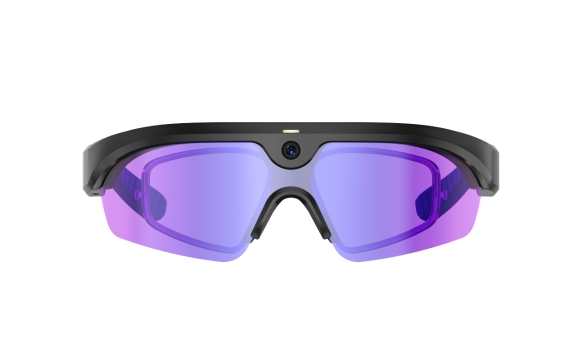
Camera glasses may support photo capture, video recording, Wi-Fi media transfer, electronic image stabilization, and different fields of view, depending on the selected model. Buyers should confirm the native sensor resolution, output resolution, video resolution, frame rate, lens angle, bitrate, file format, storage method, and maximum recording duration.
• Consumer electronics brands and cross-border e-commerce sellers
• Optical stores and eyewear distributors
• Cycling, skiing, outdoor, and action-sports retailers
• Travel, language-learning, and translation solutions
• Security, inspection, training, and field-service projects
• Content-creation, accessibility, aHow to Choose Between 8MP, 13MP, and 20MP-Class Smart Glasses
nd first-person video applications
• APP developers and AI service companies that need wearable hardware
Each channel has different priorities. Optical customers may care most about comfort, frame quality, lens options, and appearance. Sports customers may prioritize retention, polarized lenses, water resistance, wind-noise control, and video stabilization. Software companies may put SDK access, command control, data transfer, and firmware cooperation ahead Camera level should be selected according to the sales channel, target price, expected content quality, and software workflow. Buyers should not assume that a higher advertised megapixel number automatically produces better video. A properly tuned loHardware Factors That Influence Product SuccessWeight and wearSmart glasses are still eyewear. Weight, balance, temple pressure, nose-pad design, hinges, and frame dimensions affect long-term use. Test samples on different face shapes, not only on a table.
ing comfort
wer-resolution platform can outperform a poorly optimized higher-resolution one in motion, exposure, or stabilization.
of packaging.
Common Product and Integration Requirements
Megapixels alone do not determine image quality. Lens quality, sensor size, image signal processSWL Technology can evaluate private-label and OEM/ODM requirements based on the selected platform and project scope. Common options include:
ing, exposure control, stabilizatio• Custom packaging, inserts, user manuals, labels, and accessory bundles
n, heat management, and firmwa• App name, icon, theme, interface, language, and workflow• SDK access and project-based integration support
re tuning can be equally important. Sample videos should be tested in daylight, indoor lighting, walking, cycling, and other real use conditions.
Bluetooth calling and open-ear audio
Audio smart glasses normally use speakers built into the temples and one or more microphones for calls, music, and voice control. Important evaluation points incluTest comfort, hinge strength, lens clarity, controls, audio, and app connection.
de voice clarity, sound leakage, microphone performance in wind, echo control, maximum volume, and comfort during long use.
AI, APP, and SDK requirements
“AI smart glasses” may describe several architectures. The glasses may act mainly as an audio, camera, and control device while the phone or cloud provides AI, or the project may require deeper firmware, app, or server integration.
Define what starts on the glasses, what the phone processes, what goes to the cloud, and what returns to the user. For SDK projects, confirm Android and iOS functions, camera commands, media download, device status, control events, OTA, and documentation before choosing hardware.
Camera Level Comparison
8MP class — Cost-balanced camera glasses, everyday capture, basic sports content, and entry private-label programs Key evaluation points: Confirm native versus interpolated output, 1080p-class video quality, stabilizIs a 20MP camera always better than an 8MP or 13MP camera?
ation, Wi-Fi transfer speed, and low-light performance
13MP class — Mid- to higher-positioned camera glasses, brands requiring more image detail, and stronger marketing differentiation Key evaluation points: Evaluate the complete camera module, lens, EIS performance, heat, bitrate, storage, and actual sample footage
20MP class — Premium imaging concepts and projects where higher-resolution photography is central to the value proposition Key evaluation points: Confirm power consumption, processing load, file size, transfer time, thermal performance, and whether the image advantage remains visible in real use
Frame and lens materials
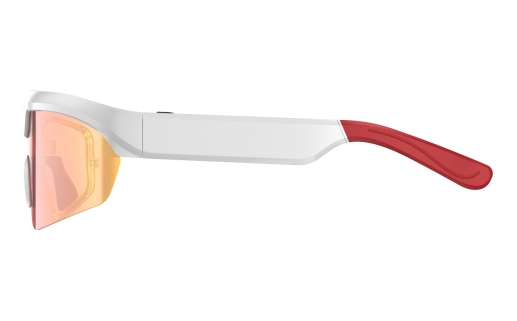
Frame material affects weight, flexibility, appearance, durability, and tooling. Platforms may use plastic, TR90-class materials, metal reinforcement, or mixed structures. Lens options can include clear, sun, polarized, colored, blue-light, or prescription-compatible designs, subject to model confirmation.
EIS, battery, and wireless performance
EIS results depend on sensors, algorithms, field of view, and firmware. Evaluate battery capacity together with recording time, audio time, standby, charging, and heat. Test how Wi-Fi transfer, Bluetooth, and the app affect battery consumption.
Water resistance
Water resistance is especially important for sports and outdoor channels. Buyers should confirm the claimed rating, the test standard, limitations for charging ports and buttons, and the intended use scenario. Water resistance should not be described more broadly than the selected model’s verified test result.
OEM/ODM Customization Options
• Brand logo on the frame, temple, lens, accessories, packaging, and manual
• Bluetooth device name and product name
• Startup, shutdown, connection, photo, and video prompts
• Frame color, surface finish, lens package, and selected structural details
• Firmware behavior, controls, button or touch actions, and selected functions
• New appearance or tooling for qualified ODM projects
Not every option is available on every model. Software scope, tooling, minimum order quantity, engineering cost, development time, intellectual-property ownership, and acceptance standards should be confirmed in writing after project evaluation.
Sample Testing and Bulk-Purchase Checklist
Before approving a model for production, B2B buyers should:
- Define the primary user scenario and target retail channel.
- Compare real photo and video samples rather than only specification sheets.
- Confirm native camera resolution, video settings, EIS behavior, storage, and transfer speed.
- Review battery performance under the intended combination of camera, Wi-Fi, Bluetooth, and AI use.
- Confirm the exact app and SDK functions required for the project.
- Freeze logo positions, packaging, colors, prompts, firmware, and accessories with an approved sample.
- Confirm quality-control criteria, compliance documents, production testing, and after-sales handling before shipment.
Why Work With a Specialized Smart Glasses Manufacturer
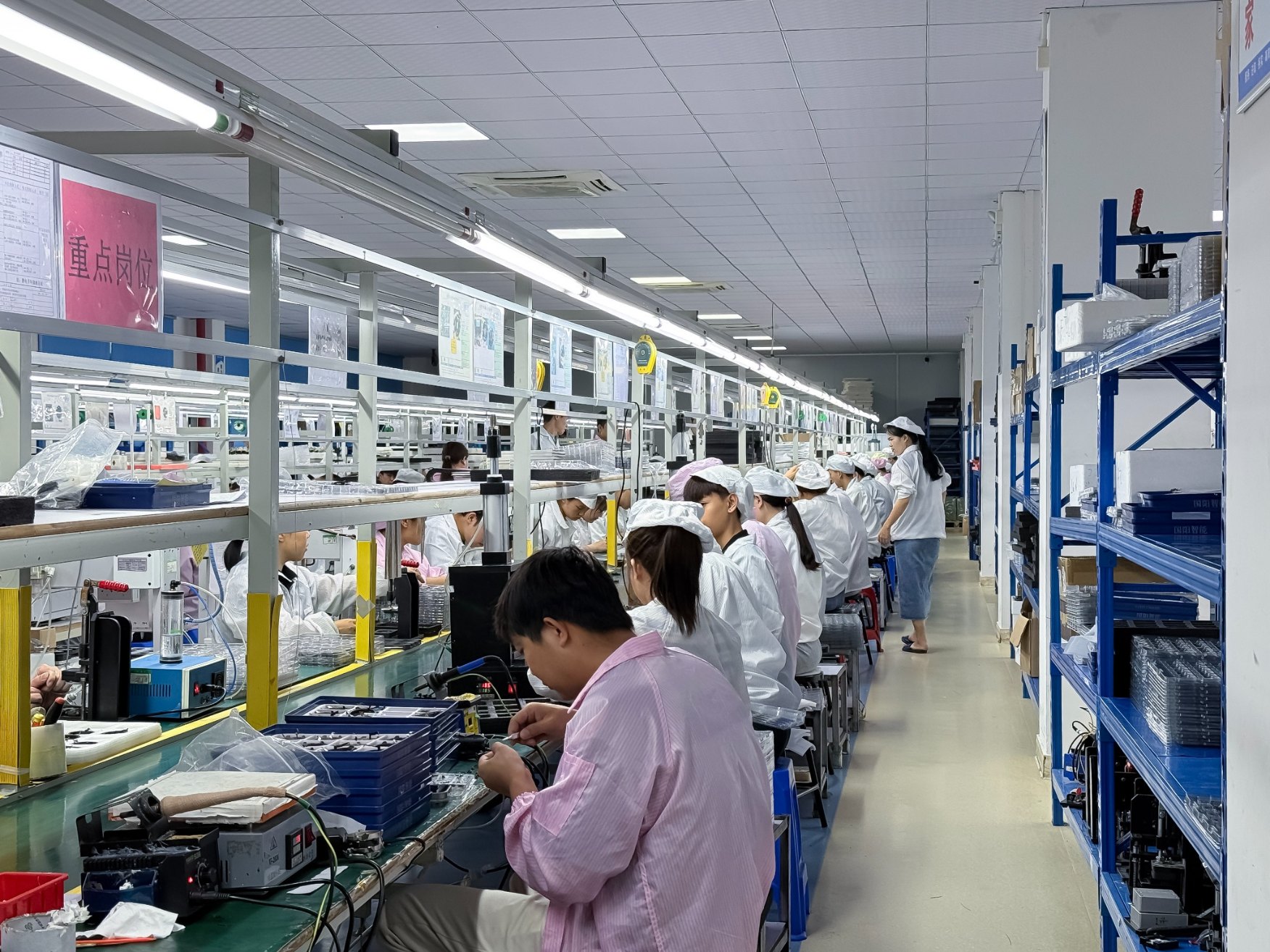
Smart glasses combine eyewear, cameras, acoustics, wireless communication, firmware, apps, and battery management in a small frame. A specialized manufacturer should explain platform limits, identify design conflicts, provide representative samples, coordinate hardware and software, and establish approval standards before production.
Buyers can review SWL Technology’s sports camera smart glasses (https://www.shanwuleng.com/products/sports-camera-smart-glasses-cycling-skiing), business smart glasses (https://www.shanwuleng.com/products/business-smart-glasses-camera-ai-translation), and full product range (https://www.shanwuleng.com/products) as starting points for project discussion.
Frequently Asked Questions
Can I add my own brand to existing smart glasses?
Yes, private-label options may include the frame logo, packaging, user manual, accessories, Bluetooth name, and selected firmware or app elements. The available scope depends on the model, quantity, and project requirements.
Do all AI smart glasses support an SDK?
No. SDK availability and exposed functions depend on the hardware and software platform. Buyers should provide a function list so camera control, media transfer, device status, touch or button events, OTA, and other requirements can be evaluated.
Not necessarily. Native resolution, lens quality, video processing, EIS, bitrate, lighting, and thermal control all affect the result. Compare original sample files and videos under the intended use conditions.
Can the app and AI functions be customized?
App branding, interface, language, workflow, and selected AI integrations can be evaluated. The final scope depends on the existing platform, server architecture, required APIs, development budget, and schedule.
What should I provide when requesting a quotation?
Share your target market, estimated quantity, preferred camera level, required functions, lens and color needs, app or SDK requirements, packaging scope, certification market, and planned launch schedule.
Can SWL Technology develop a new smart-glasses appearance?
New ID, structure, color, lens, and tooling requirements can be evaluated as an ODM project. Feasibility, tooling cost, ownership, sample stages, test standards, and production quantity must be confirmed before development.
CTA
Looking for a smart glasses manufacturer for your next brand or software project? Contact SWL Technology (https://www.shanwuleng.com/contact) to request product recommendations, sample pricing, OEM/ODM options, or an SDK evaluation based on your target market and order plan.